How an In Home Health Care Service Can Support Chronic Illness Management
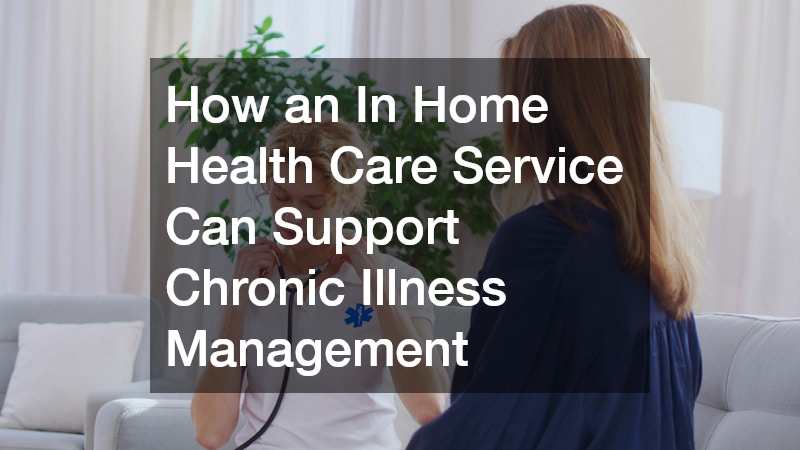
Managing a chronic illness can be a challenging journey for both patients and their families. Conditions such as diabetes, heart disease, arthritis, and chronic obstructive pulmonary disease (COPD) require consistent monitoring, daily care routines, and lifestyle adjustments. While hospitals and clinics provide essential medical care, many patients benefit from support in the comfort of their own homes. This is where an in home health care service can make a significant difference. By bringing professional care directly to a patient’s residence, these services help manage chronic illnesses more effectively, improve quality of life, and reduce unnecessary hospital visits.
In addition to physical care, managing a chronic illness often requires emotional support and guidance to navigate lifestyle changes. Patients may feel isolated, overwhelmed, or uncertain about how to follow their treatment plans effectively. An in home health care service addresses these challenges by providing a comprehensive approach that combines medical oversight with compassionate support, ensuring patients receive holistic care tailored to their unique needs. This combination of clinical expertise and personal attention can be pivotal in helping individuals manage their conditions more successfully over the long term.
Personalized Care Plans for Chronic Conditions
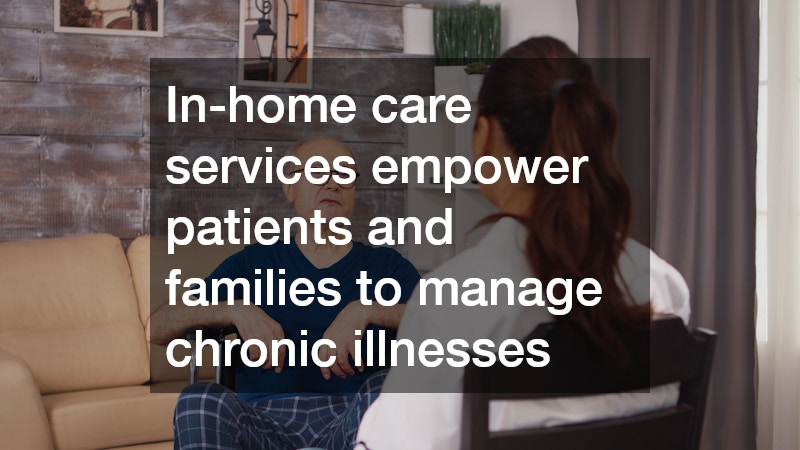
One of the primary advantages of an in home health care service is the ability to provide personalized care tailored to the unique needs of each patient. Unlike standard medical appointments, which are often brief and focused on immediate concerns, in-home care professionals can assess a patient’s daily environment and develop care strategies specific to their condition. For example, a patient with diabetes may require regular blood sugar monitoring, meal planning assistance, and medication management. A nurse or caregiver from an in-home service can visit regularly, ensure these tasks are completed, and educate the patient and family members on best practices.
Personalized care plans also help in tracking progress over time. Chronic illnesses often require ongoing adjustments to treatment based on symptoms, lifestyle changes, or new medical recommendations. By having a professional present at home, patients receive consistent feedback and support, ensuring that their care remains responsive to their evolving needs. This approach not only manages the illness more effectively but also provides reassurance and confidence to patients and caregivers alike.
Medication Management and Symptom Monitoring
Another critical component of chronic illness management is medication adherence. Many patients with chronic conditions take multiple medications daily, making it easy to forget doses or take incorrect amounts. An in home health care service can help reduce these risks through structured medication management. Caregivers or nurses can organize medications, set reminders, and observe patients taking their prescribed doses. This oversight can prevent complications from missed or incorrect medications and improve overall health outcomes.
In addition to managing medications, in-home care professionals monitor symptoms and vital signs. For instance, patients with heart disease may need regular blood pressure checks, while those with COPD may require oxygen level monitoring. Continuous observation allows early detection of potential complications, enabling timely interventions that can prevent hospitalizations. By combining medication management with symptom monitoring, an in-home care service supports patients in maintaining stability and avoiding health crises.
Emotional and Lifestyle Support
Chronic illnesses not only affect physical health but also have profound emotional and social impacts. Patients may experience stress, anxiety, or depression due to ongoing symptoms and limitations in daily activities. An in home health care service addresses these needs by offering companionship, emotional support, and guidance on lifestyle modifications. Caregivers can assist with daily activities such as meal preparation, light exercise, and mobility, which helps patients maintain independence and a sense of normalcy.
Lifestyle support is especially important in chronic disease management. Nutrition, exercise, and stress reduction are essential components of managing many conditions, including diabetes, heart disease, and arthritis. In-home caregivers can provide personalized advice, assist with implementing healthy routines, and track progress over time. By addressing both the physical and emotional aspects of chronic illness, in-home health care services create a holistic approach to patient well-being.
Furthermore, emotional support extends to family members, who often shoulder the burden of caregiving. Professional guidance and respite care allow family caregivers to recharge while ensuring their loved ones receive consistent and competent care. This balance reduces burnout and strengthens the overall support system necessary for managing chronic illnesses effectively.
Living with a chronic illness requires constant attention, careful planning, and emotional resilience. While medical facilities provide critical interventions, the day-to-day management of chronic conditions often benefits from the personalized and consistent support of an in home health care service. These services offer tailored care plans, medication management, symptom monitoring, and emotional and lifestyle support—all delivered in the comfort of the patient’s home.
By reducing hospital readmissions, promoting adherence to treatment, and enhancing quality of life, in-home care services empower patients and families to manage chronic illnesses more effectively. They bridge the gap between clinical care and daily living, providing a comprehensive approach that addresses both physical and emotional needs. For anyone navigating the complexities of a chronic condition, an in home health care service can be a vital partner, supporting health, independence, and overall well-being.