Pain Management for Various Conditions From Car Accidents

A car accident is a chaotic event. In the immediate aftermath, your adrenaline spikes, your heart races, and your survival instincts take over. Because of this powerful chemical surge, your body is effectively numbed to pain in the minutes, hours, and sometimes even days following a collision. It is incredibly common for someone to walk away from a shattered vehicle claiming they feel completely fine, only to wake up forty-eight hours later, barely able to turn their head or get out of bed.
Cool Down the Acute Phase: Addressing Neck and Soft Tissue Trauma

Track your symptoms immediately and seek specialized diagnostic imaging
The forces exerted on the neck during a collision are unique. When a vehicle is struck, the torso is pushed forward by the seat back, while the head lags behind, causing the neck to hyperextend backward. An instant later, as the body rebounds, the head whips violently forward. This rapid acceleration and deceleration cycle causes what medical professionals classify as whiplash injuries, which can damage the cervical spine, facet joints, and the intricate web of surrounding muscles.
Symptoms of cervical soft tissue damage do not always match the severity of the crash. A low-speed rear-end collision can cause significant, long-lasting neck trauma depending on the angle of your head at the moment of impact. To effectively manage this acute phase of pain, it is vital to keep a daily symptom journal and seek out advanced imaging, such as an MRI or digital motion X-ray, which can catch soft tissue damage that standard X-rays miss.
Navigating this initial wave of discomfort requires specialized expertise. While a general practitioner or an urgent care physician is excellent for ruling out life-threatening emergencies, they are often not equipped to manage evolving soft tissue trauma over the long term. Seeking out dedicated pain management services early in your recovery ensures that you receive a targeted, individualized treatment plan designed to prevent acute soft tissue injuries from hardening into chronic, lifelong conditions.
To mitigate inflammation and protect your neck during the first seventy-two hours following an accident, consider the following physical protocols:
-
Implement controlled icing intervals, applying cold packs for fifteen minutes every two to three hours to constrict blood vessels and reduce localized swelling.
-
Avoid prolonged bed rest, as total immobility can cause the injured neck muscles to spasm and stiffen; instead, practice a gentle, pain-free range of motion by looking slightly from side to side.
-
Support your cervical spine while resting by using a rolled towel beneath your neck rather than propping your head up on multiple thick pillows, which forces the neck into an unnatural forward bend.
-
Postpone any heavy lifting, strenuous exercise, or repetitive overhead reaching, giving the micro-tears in your muscle fibers a chance to begin the cellular healing process.
Target the Source: Relieving Spine and Nerve Discomfort
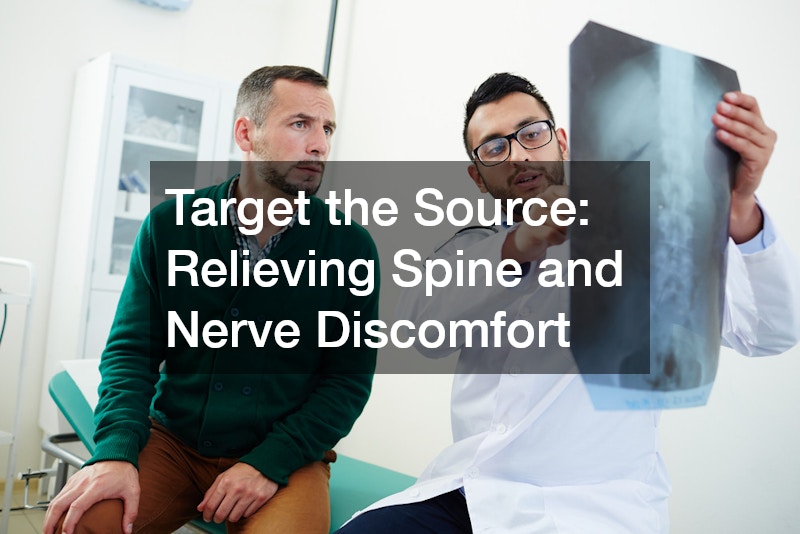
Combine minimally invasive procedures with targeted core stabilization
The lower and mid-back are highly susceptible to injury during an auto accident, especially when the occupant is twisted or leaning at the moment of impact. The lumbar spine absorbs a massive amount of kinetic energy, which frequently results in herniated, bulging, or ruptured discs. When a disc herniates, its soft inner gel protrudes through the tough outer shell, often pressing directly against the spinal nerves and causing excruciating, radiating pain down the legs.
Finding relief requires a careful balance between calming irritated nerves and strengthening the structural framework of your body. Standard pain medications often only mask these structural issues, which is why modern back pain treatments focus heavily on reducing nerve inflammation while simultaneously rebuilding spinal support through physical therapy. If a nerve is severely compressed, advanced interventions can safely bridge the gap between debilitating pain and active rehabilitation.
The medical landscape for spinal care has evolved tremendously, utilizing highly precise, image-guided techniques to target pain at its exact anatomical source. Clinics that are at the forefront of these advancements routinely look for top-tier talent to fill interventional pain management jobs, ensuring that patients have access to specialists who can perform advanced procedures like epidural steroid injections, selective nerve root blocks, and radiofrequency neurotomy under fluoroscopic guidance.
To protect your spine and facilitate long-term nerve decompression, integrate these structural habits into your daily routine:
-
Utilize a lumbar support cushion whenever sitting, ensuring your lower back maintains its natural inward curve and reducing the intradiscal pressure caused by slouching.
-
Practice the log-roll technique when getting out of bed by turning your entire body to the side as one cohesive unit and using your arms to push yourself up, preventing spinal twisting.
-
Engage in gentle, doctor-approved core bracing exercises, such as the bird-dog or pelvic tilts, which activate the deep abdominal muscles that act as a natural corset for your spine.
-
Avoid sitting for more than thirty minutes at a time; standing up and walking for just two minutes redistributes spinal loads and prevents nerve compression from intensifying.
Restore the Whole Body: Holistic Healing and Mobility

Address the root systemic imbalances caused by physical trauma
A car accident does not just injure an isolated body part; it shocks your entire physiological system. The profound physical stress of a collision triggers a sustained release of cortisol and adrenaline, which can disrupt your digestive system, alter your sleep architecture, and heighten your nervous system’s sensitivity to pain signals. When your nervous system remains in a hyper-vigilant state, even minor tissue damage can feel incredibly intense.
To achieve complete recovery, it is highly beneficial to look at your health through the lens of functional medicine, an approach that focuses on identifying and addressing the root causes of systemic imbalance rather than just suppressing isolated symptoms. By evaluating factors like stress-induced systemic inflammation, nutritional deficiencies, and cellular health, this approach helps optimize your body’s natural biochemical environment so that injured tissues can heal more efficiently.
Alongside systemic support, your physical body requires a structured, evolutionary path back to movement. Enrolling in a high-quality short-term rehab program provides the supervised, step-by-step physical conditioning needed to safely transition from a state of acute guarding and immobility back to your normal daily activities without re-injuring yourself.
To support your body’s holistic healing mechanisms from the inside out, consider adopting these systemic recovery strategies:
-
Transition to a strictly anti-inflammatory diet rich in leafy greens, wild-caught fish, berries, and walnuts to help lower the systemic inflammatory cytokines triggered by physical trauma.
-
Prioritize deep, restorative sleep by maintaining a dark, cool bedroom environment, as human growth hormone—which is essential for tissue and muscle repair—is primarily released during deep sleep stages.
-
Incorporate gentle myofascial release techniques, such as using a soft foam roller or a tennis ball on uninjured surrounding tissues, to alleviate the compensatory muscle tension that develops when your body guards an injury.
-
Practice mindfulness or progressive muscle relaxation for ten minutes daily to consciously signal to your central nervous system that the immediate danger has passed, helping to lower your overall pain perception.
Overcome Secondary Complications: Managing Systemic Trauma
Monitor your breathing and cardiovascular stamina during recovery
While spinal and neck injuries receive the majority of attention after an auto accident, impacts involving seatbelts, steering wheels, or deploying airbags can cause severe trauma to the anterior chest wall. This blunt force can result in fractured ribs, severe bruising of the sternum, and micro-trauma to the intercostal muscles that sit between your ribs. Because breathing requires the constant expansion and contraction of the chest, these injuries can make every single breath painful.
When chest wall pain makes breathing uncomfortable, patients naturally tend to take shallow, rapid breaths. Over time, this restricted breathing pattern reduces lung expansion, decreases oxygen saturation in the blood, and causes a buildup of tension in the accessory respiratory muscles of the neck and shoulders. Furthermore, this altered breathing pattern can mimic or exacerbate panic and anxiety, keeping your body trapped in a state of high physical stress.
When chest trauma severely disrupts your physical endurance and respiratory mechanics, standard physical therapy may need to be augmented with specialized care. Participating in a dedicated cardiopulmonary rehab program can be incredibly beneficial for individuals who find themselves struggling with shortness of breath, ribcage stiffness, or decreased cardiovascular stamina following a major collision.
To safely restore your respiratory capacity and regulate your autonomic nervous system during recovery, practice these breathing protocols:
-
Perform structured diaphragmatic breathing exercises multiple times a day, placing one hand on your abdomen to ensure your belly rises as you inhale, rather than shallowly lifting your chest.
-
Use a simple device like an incentive spirometer, under medical supervision, to visually track and gradually increase your lung inhalation volume day by day.
-
Intersperse your day with very brief, slow walks on flat surfaces to encourage natural lung expansion and promote healthy blood circulation without overexerting your heart.
-
Practice paced respiration during times of elevated pain, inhaling slowly through your nose for a count of four and exhaling through pursed lips for a count of six to actively slow your heart rate.
Protect Your Rights: Navigating Insurance and Initial Legalities
Document every medical interaction and communicate through official channels
Healing from a car accident requires immense mental and physical energy, but unfortunately, the administrative realities of a crash cannot be ignored. The financial costs of emergency room visits, specialist consultations, physical therapy sessions, and diagnostic imaging accumulate rapidly. Managing these expenses correctly from the very beginning is vital to ensure that your medical treatments are completely funded and that you are not left with unexpected, burdensome medical debt.
The first critical hurdle involves establishing a clear, undeniable link between the accident and your physical injuries. This requires filing prompt, accurate claims through your auto insurance service and keeping an immaculate, chronological record of every medical provider you see, every diagnosis you receive, and every treatment recommendation made. Insurance companies scrutinize timelines intensely, and any unexplained gap in medical care can be used to argue that your pain was not caused by the crash.
Because the legalities surrounding automotive medical coverage are highly intricate, having a firm grasp of personal injury law is incredibly empowering. Understanding your rights protects you from being pressured into premature settlements by insurance adjusters who may try to close your claim before the full extent of your internal injuries and long-term treatment needs are completely understood and documented by your doctors.
To safeguard your health and ensure your medical care is fully protected under insurance and legal frameworks, execute these administrative steps:
-
Request copies of all official medical charts, emergency room intake notes, and diagnostic imaging reports immediately after every single appointment.
-
Communicate with insurance adjusters primarily through written channels, or keep a detailed log containing the date, time, name of the representative, and exact summary of every phone conversation.
-
Never sign a final liability waiver or accept a quick cash settlement from an insurance company until a medical specialist has fully evaluated you and provided a clear long-term prognosis.
-
Document the daily impact of your injuries on your life, noting activities of daily living that you can no longer perform without assistance or substantial pain.
Secure Your Long-Term Future: Advocacy for Chronic Conditions
Prepare for extended recovery timelines by knowing your long-term legal options
For some individuals, the physical consequences of a high-impact car accident persist long after the initial bruises heal and soft tissue swelling subsides. Structural damage to the spine, permanent nerve irritation, or complex regional pain syndrome can transform into chronic, long-term conditions that require ongoing medical maintenance for months or even years. When an injury reaches this stage, it impacts far more than just physical comfort; it directly threatens your livelihood.
When chronic pain severely limits your ability to sit, stand, lift, or concentrate for extended periods, maintaining regular employment becomes incredibly difficult. Missing consecutive days of work or needing to reduce your working hours can lead to catastrophic wage loss. If your injuries have resulted in a long-term inability to perform the duties of your job, consulting with an experienced disability attorney can provide the legal clarity and advocacy needed to protect your future financial stability.
Navigating the complexities of long-term medical care and financial recovery requires an objective, evidence-based strategy. Securing your future means working alongside your medical team to ensure that your functional limitations are formally quantified, documented, and clearly presented to the institutions responsible for your long-term support.
To build a solid foundation for your long-term physical and financial well-being, focus on these essential step-by-step measures:
-
Request a comprehensive functional capacity evaluation from your physician to objectively measure your physical tolerances regarding sitting, standing, lifting, and walking.
-
Maintain a meticulously detailed ledger of all missed workdays, lost promotional opportunities, and direct reductions in your income caused by your ongoing medical treatments.
-
Work with your pain specialists to draft a formalized, projected future care plan that clearly outlines the estimated lifetime costs of your necessary medications, therapies, and medical procedures.
-
Seek out local or online support groups specifically tailored for individuals managing chronic post-traumatic pain to share coping strategies and reduce the emotional isolation that often accompanies long-term recovery.
Recovering from a car accident is rarely a straight line. It is a journey that requires patience, a diverse team of medical professionals, and a proactive approach to protecting your physical and logistical well-being. From the acute management of soft tissue swelling to the long-term stabilization of complex spinal injuries, every phase of your recovery deserves careful, specialized attention.